This boreal summer has been a busy and rewarding period of learning, preparation, and inspiration, with experiences both in the field and in the lab helping me take important steps forward in my research.
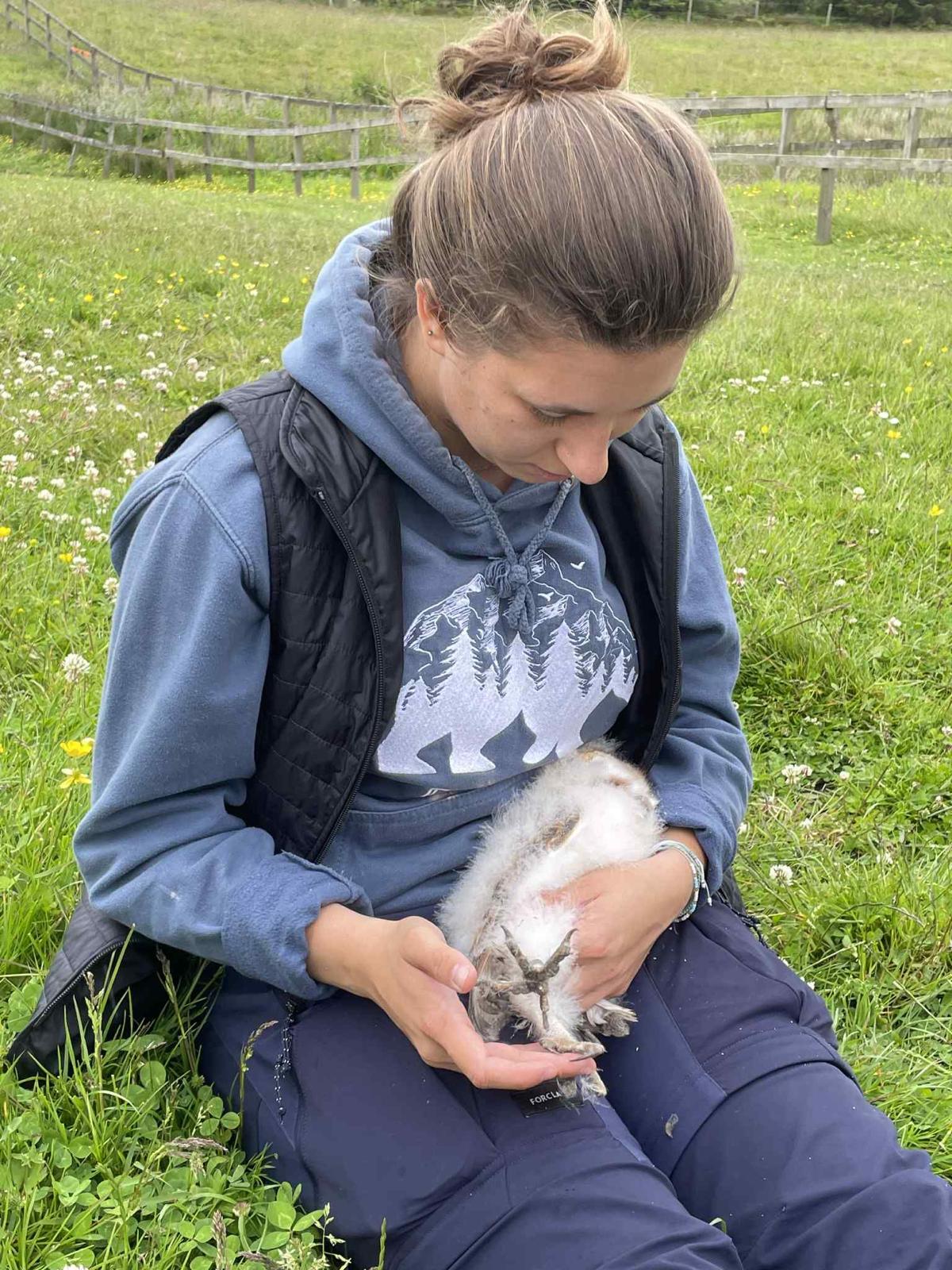
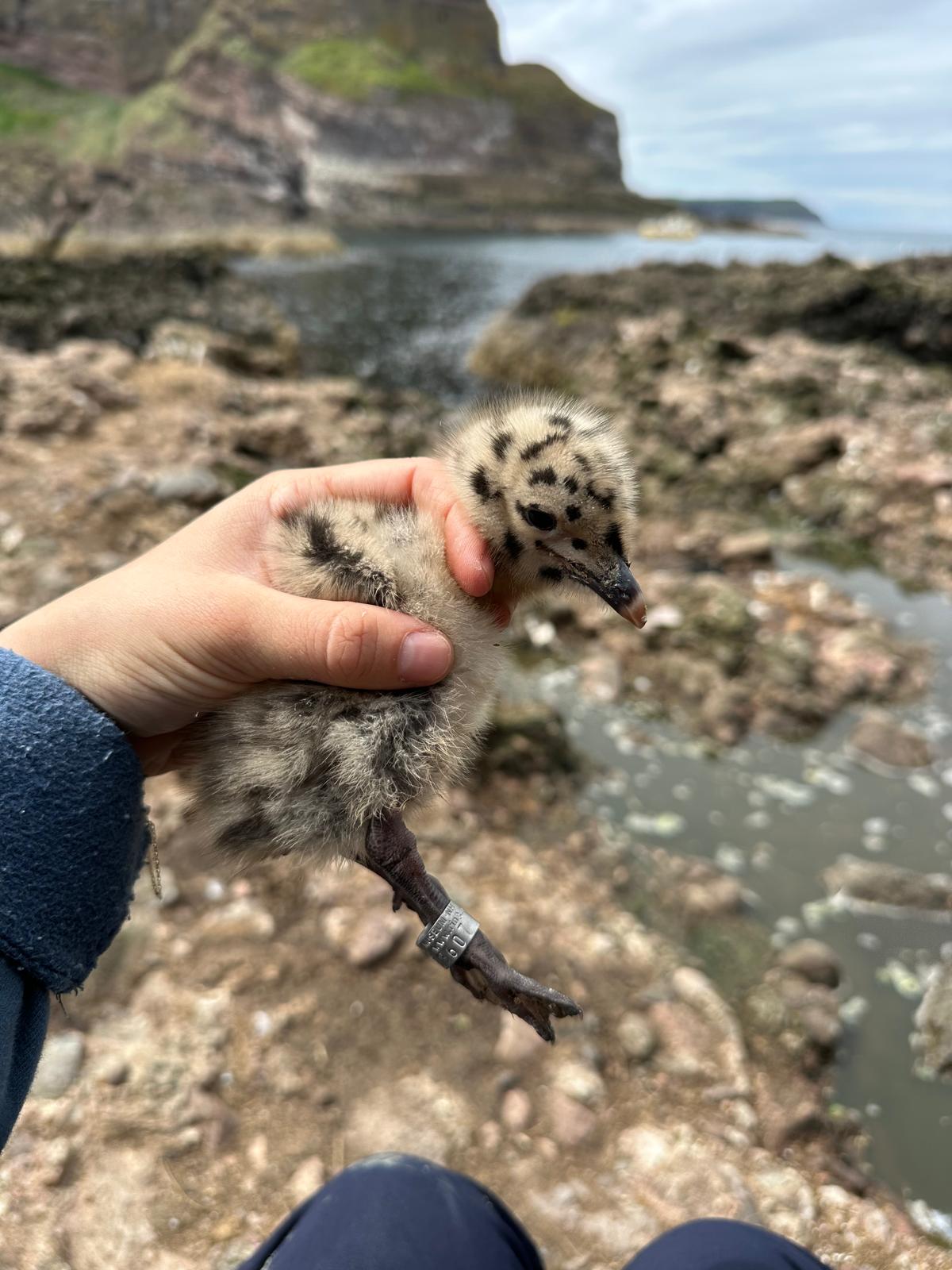
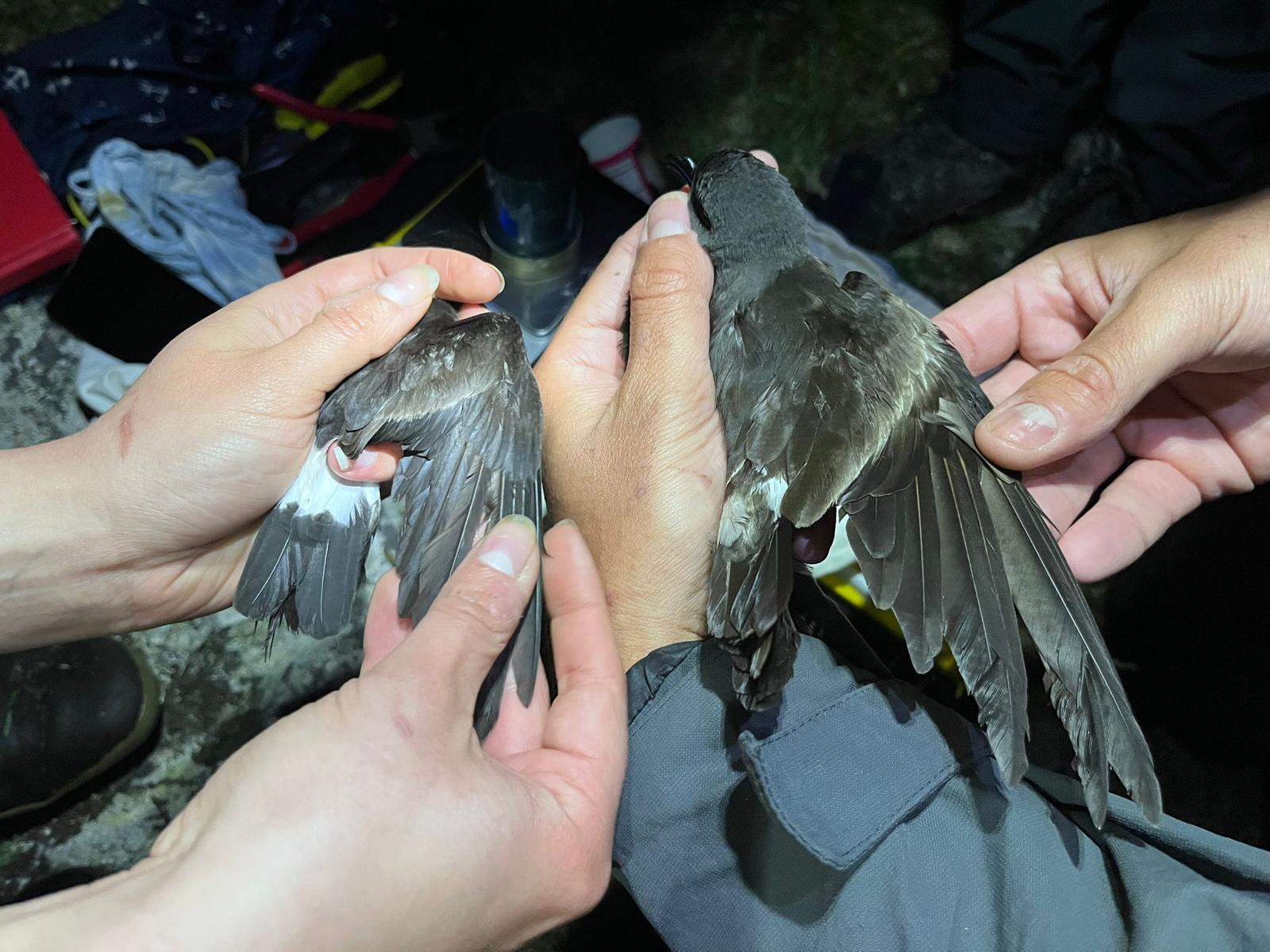
As part of my training with the BTO to obtain my C-ringing permit, I have been volunteering with the Grampian Ringing Group for several months, and the start of the breeding season marked an important period for ringing effort, working with birds across very different habitats. The diversity I worked with this season was amazing: from barn owls and swallows to seabirds such as common guillemots, razorbills, European shags, black-legged kittiwakes, and herring gulls. I also had the chance to handle some of the smallest ocean wanderers, European and Leach’s storm petrels, and to spend time in reedbeds ringing passerines including redpolls, robins, sedge warblers, willow warblers, and siskins. Each species group required its own catching, handling, and ringing techniques, and each came with its own lessons. Beyond the birds themselves, the experience allowed me to learn from seasoned ringers, share knowledge in the field, and keep refining my birding and ringing skills.
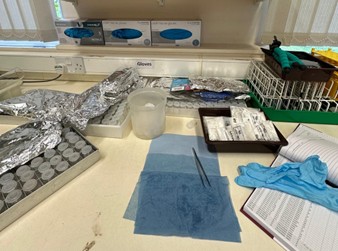
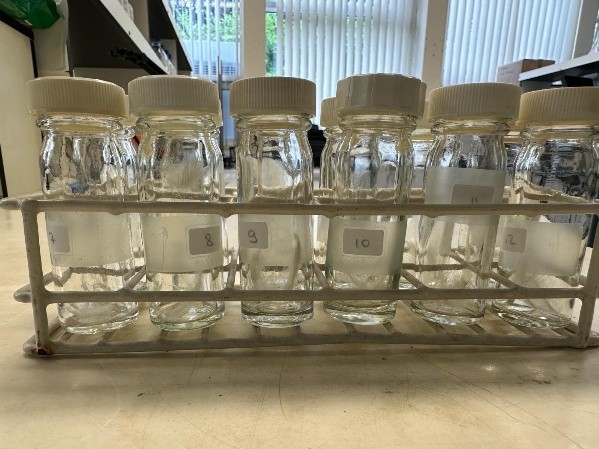
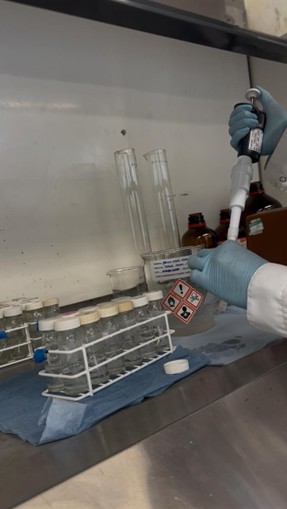
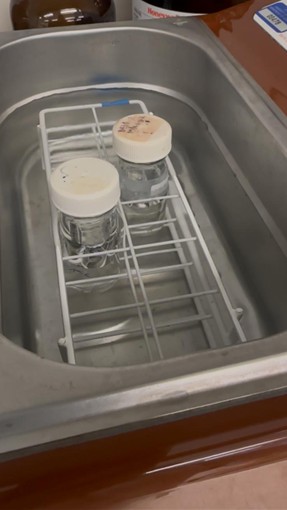
Alongside fieldwork, much of my time was dedicated to lab preparations for my stable isotope study. This meant carefully washing and drying rockhopper feathers collected in the Falkland Islands both by earlier research programmes and during my own fieldwork in 2024/25, before beginning the process of cutting nearly 400 samples, that will soon be sent off for analysis. The samples will be tested for carbon and nitrogen isotopes (δ13C, δ15N), providing insights into dietary variation across colonies of rockhopper penguins. These data will form a core part of one of my PhD chapters, helping us understand how diet may shift with climate across the Falkland Islands.
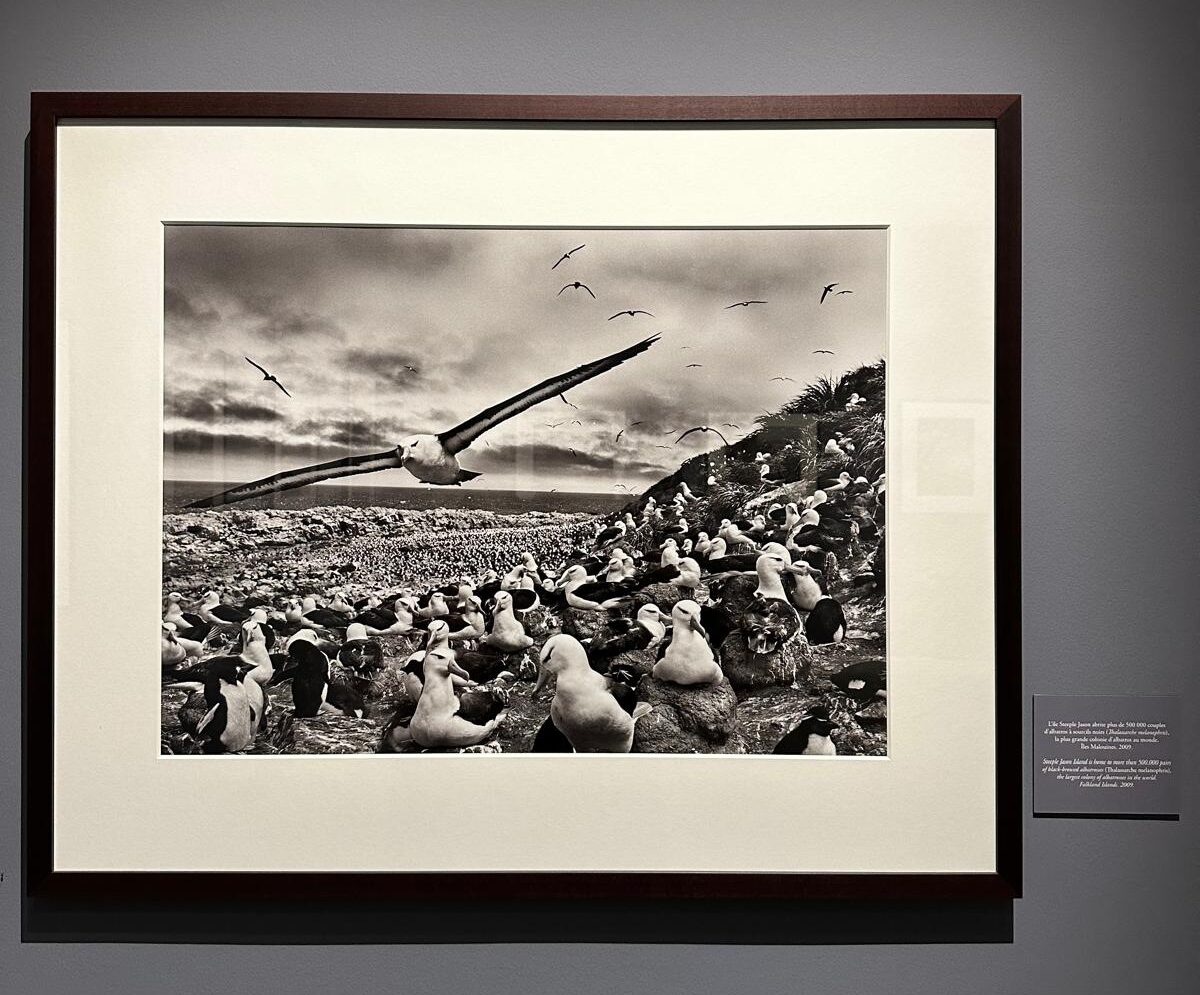
Finally, in August, I found myself in Montélimar, France, where I visited an exhibition by the renowned photographer Sebastião Salgado. The exhibition was a celebration of the natural world, its grandeur, and its fragility. To my surprise and delight, some of the photographs featured Steeple Jason, a location that will become central to my own research. Seeing it captured through Salgado’s lens was a moving reminder of why this work matters, and a glimpse of what awaits me when I return to the Falklands for my next field season in December 2025.
This summer has therefore been both practical and inspiring: a season of sharpening field skills, laying the groundwork for detailed analyses, and finding renewed motivation in unexpected places.
