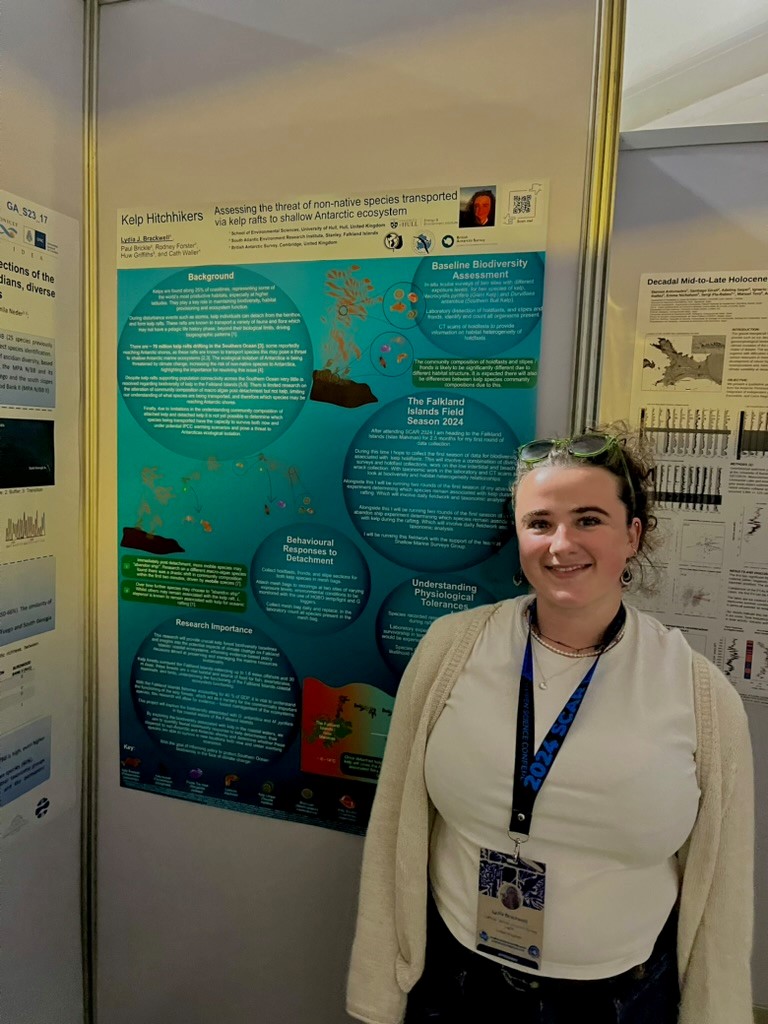
This year marked the end of the first year of my PhD and the beginning of my first field season in the Falkland Islands. The fieldwork was preceded by an exciting two-week trip to Chile, where I attended the Open Science Conference for the Scientific Committee on Antarctic Research and presented a poster. The week was filled with inspiring talks on a wide range of topics, from marine mammal ecology to glaciology. A highlight of the trip was attending an event hosted by His Majesty's Ambassador, Louise de Sousa, celebrating over a century of collaboration between Chile and the UK in Antarctic science. The conference also provided valuable opportunities for networking, and I had several productive discussions about potential project collaborations.
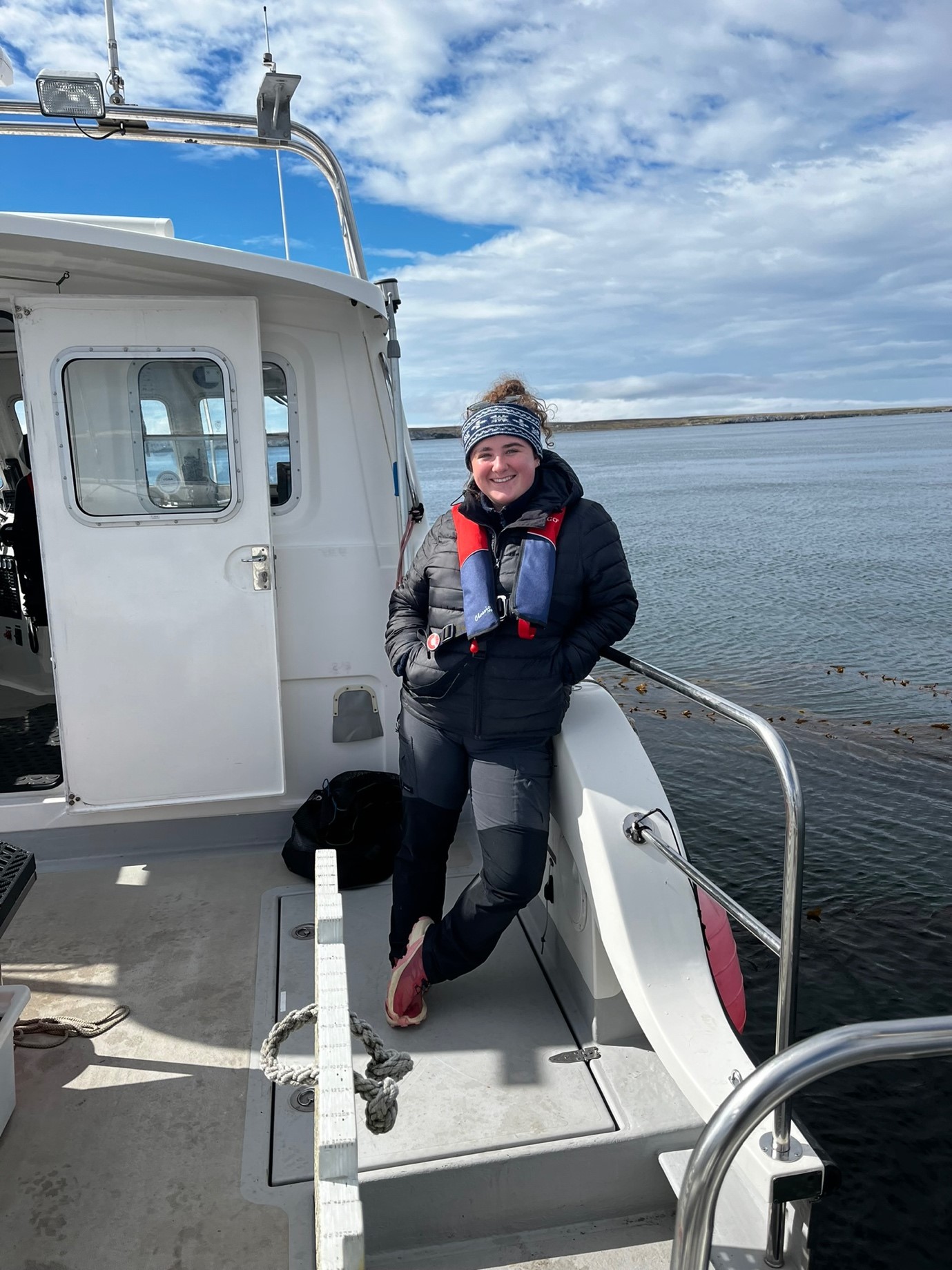
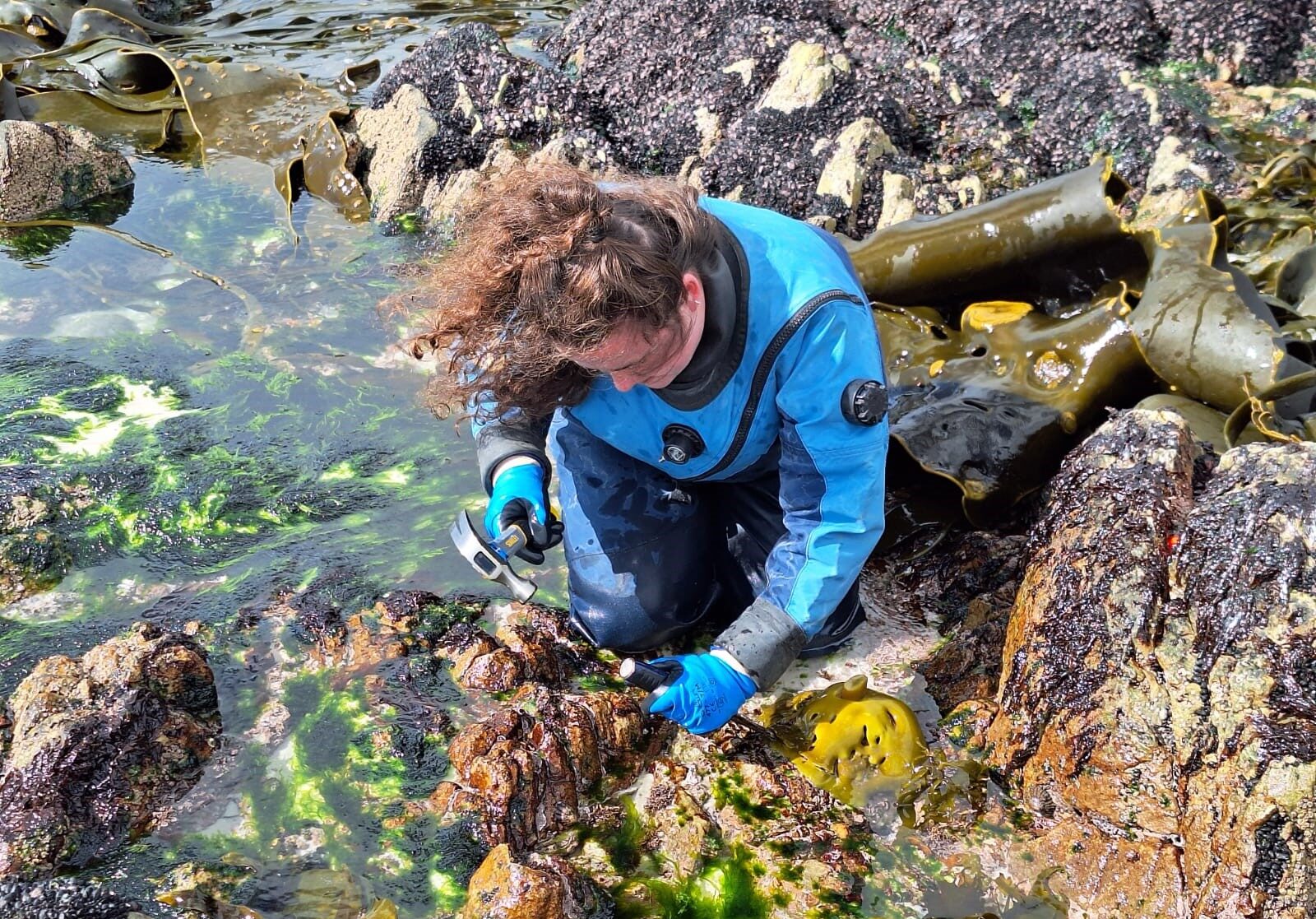
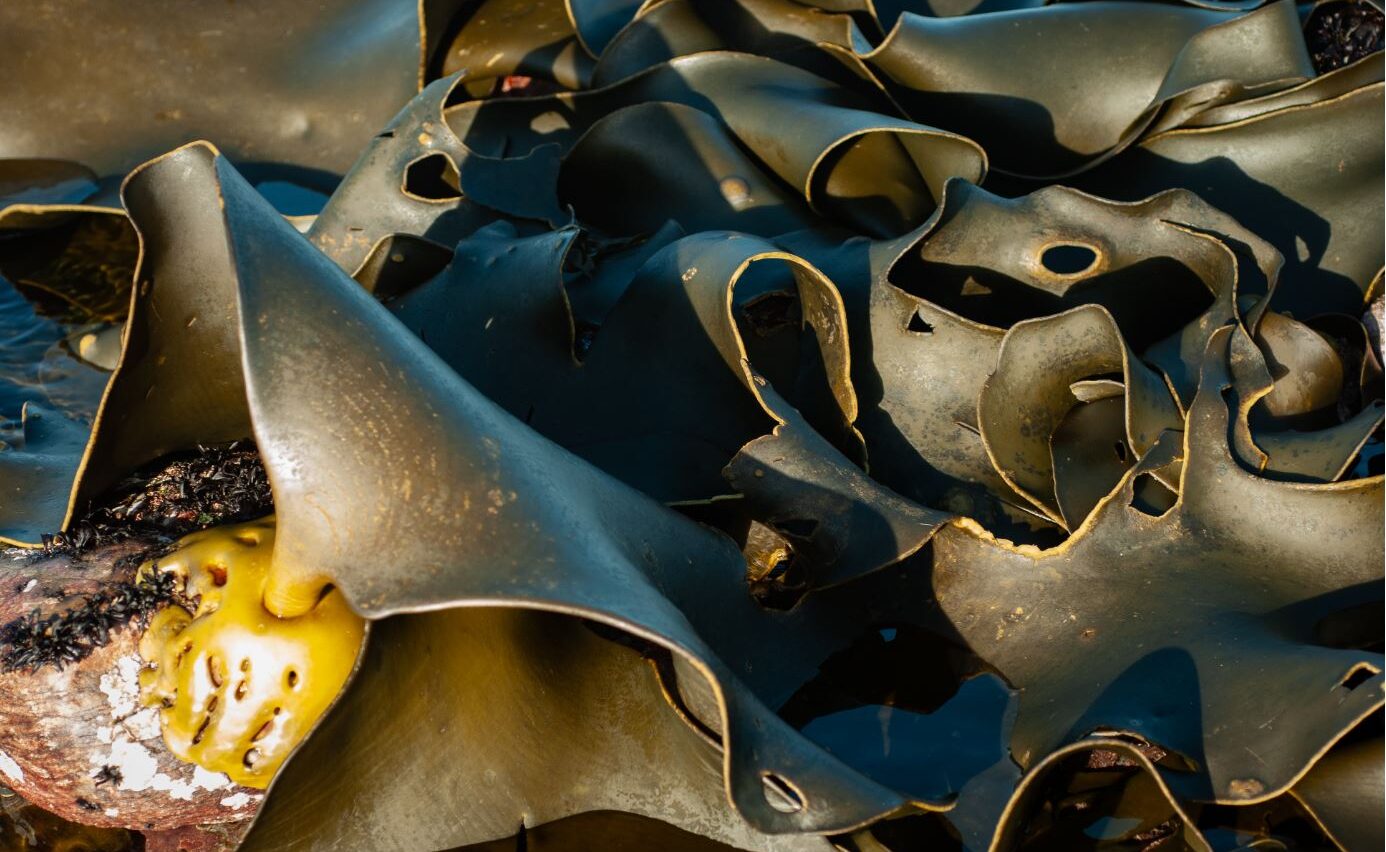
Following this busy and rewarding experience in Chile, I travelled to the Falkland Islands to begin collecting samples for my thesis. With the guidance and support of the teams at both SAERI and SMSG, I quickly got to work. My fieldwork focused on sampling three types of kelp: Southern Bull Kelp, Giant Kelp, and the non-native Unndaria pinnatifida. The aim of these collections is to better understand the biodiversity associated with kelp—astonishingly, I observed nearly 800 organisms on a single holdfast!
In addition to cataloguing the biodiversity, my research also investigates how these organisms respond when the kelp detaches from the substrate. To study this, I worked with FIPASS to conduct a novel experimental methodology, simulating kelp rafting in the ocean. We placed kelp samples in mesh bags and floated them to observe how the associated organisms adapted to these new conditions.
The field season was an incredible success, generating so much data. It was an unforgettable experience to witness the kelp forests and their role as habitats for such diverse marine life. Now, as I analyse the collected samples and plan for my second field season, I’m excited to continue uncovering the fascinating stories these ecosystems have to tell. I want to thank my supervisory team, SAERI, SMSG, Panorama DTP, Energy and Environment Institute at the University of Hull, The John Cheek Trust and Shackleton Scholarship Fund for their support without which this project would not be possible.