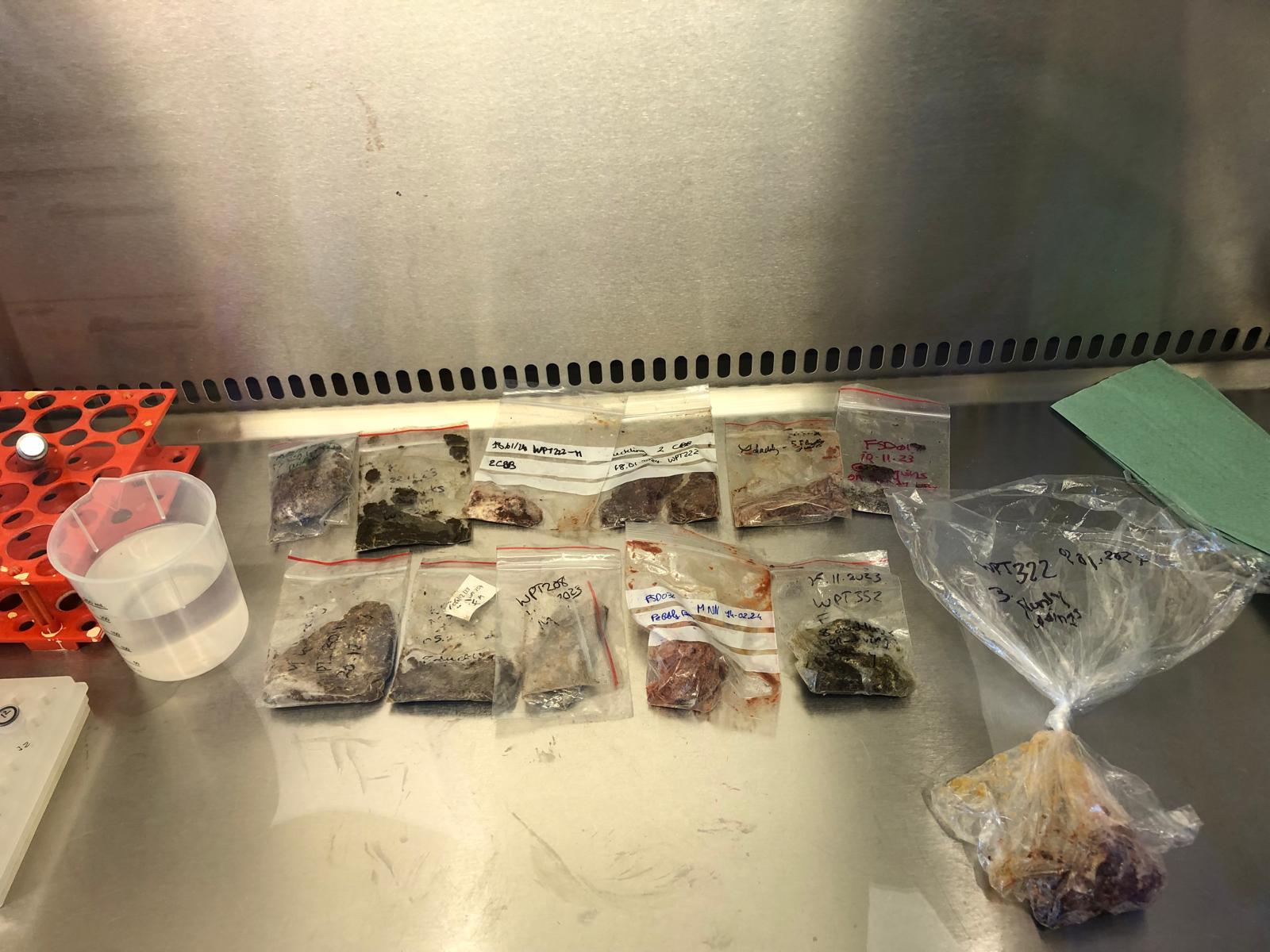
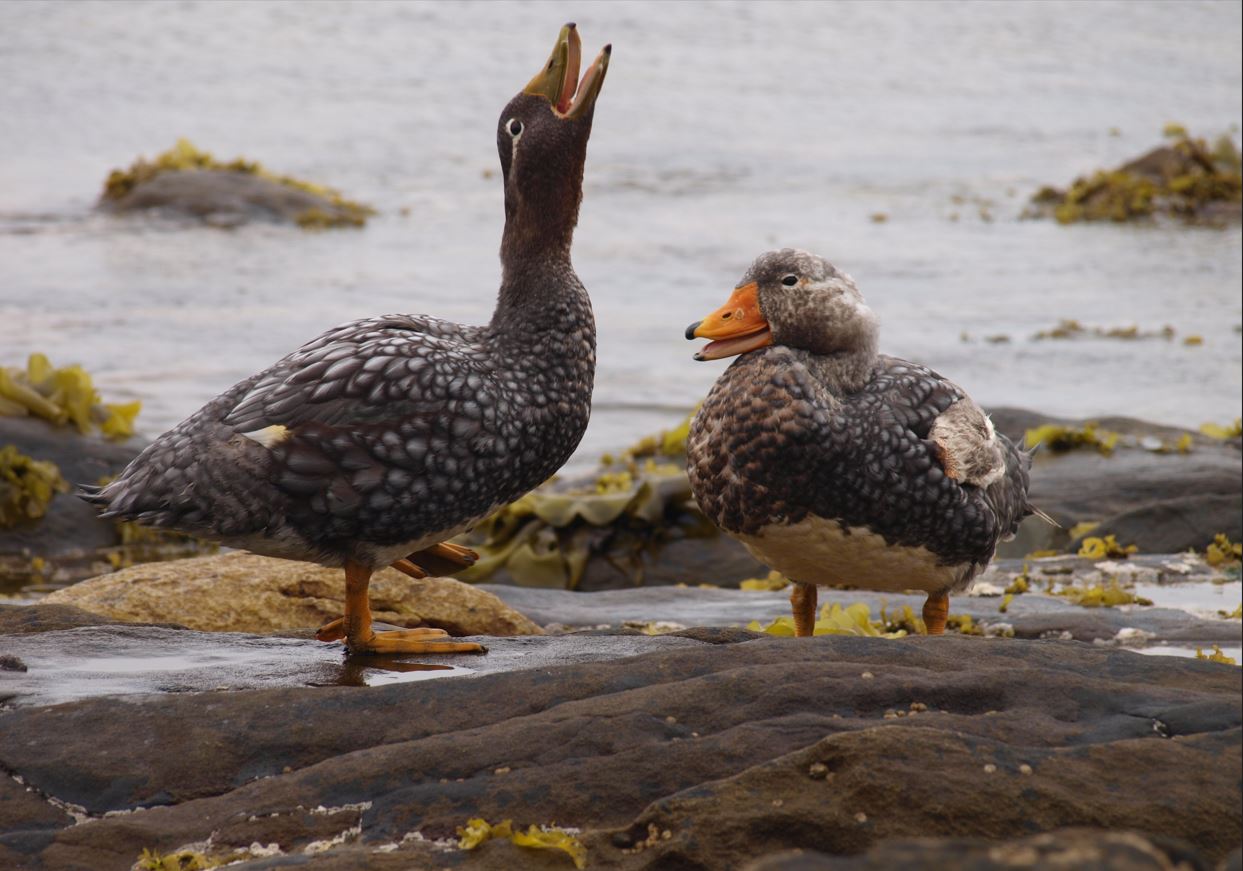
One of my PhD's axes is understanding the Falkland Steamer Duck’s trophic ecology. For this study, scats were sampled throughout the breeding season, and DNA was extracted from them for metabarcoding purposes to understand what these birds feed on. This method is a non-invasive approach, which is regularly used on numerous species, including seals and seabirds.
As part of a collaboration with Pr. Silvia Espona-Perez from the Roslin Institute (Edinburgh, Scotland), 51 samples were flown over frozen. This is key to preventing any further DNA degradation. Indeed, it is important to keep in mind that DNA extracted from scat samples is already DNA which went through digestion and thus is considered degraded.
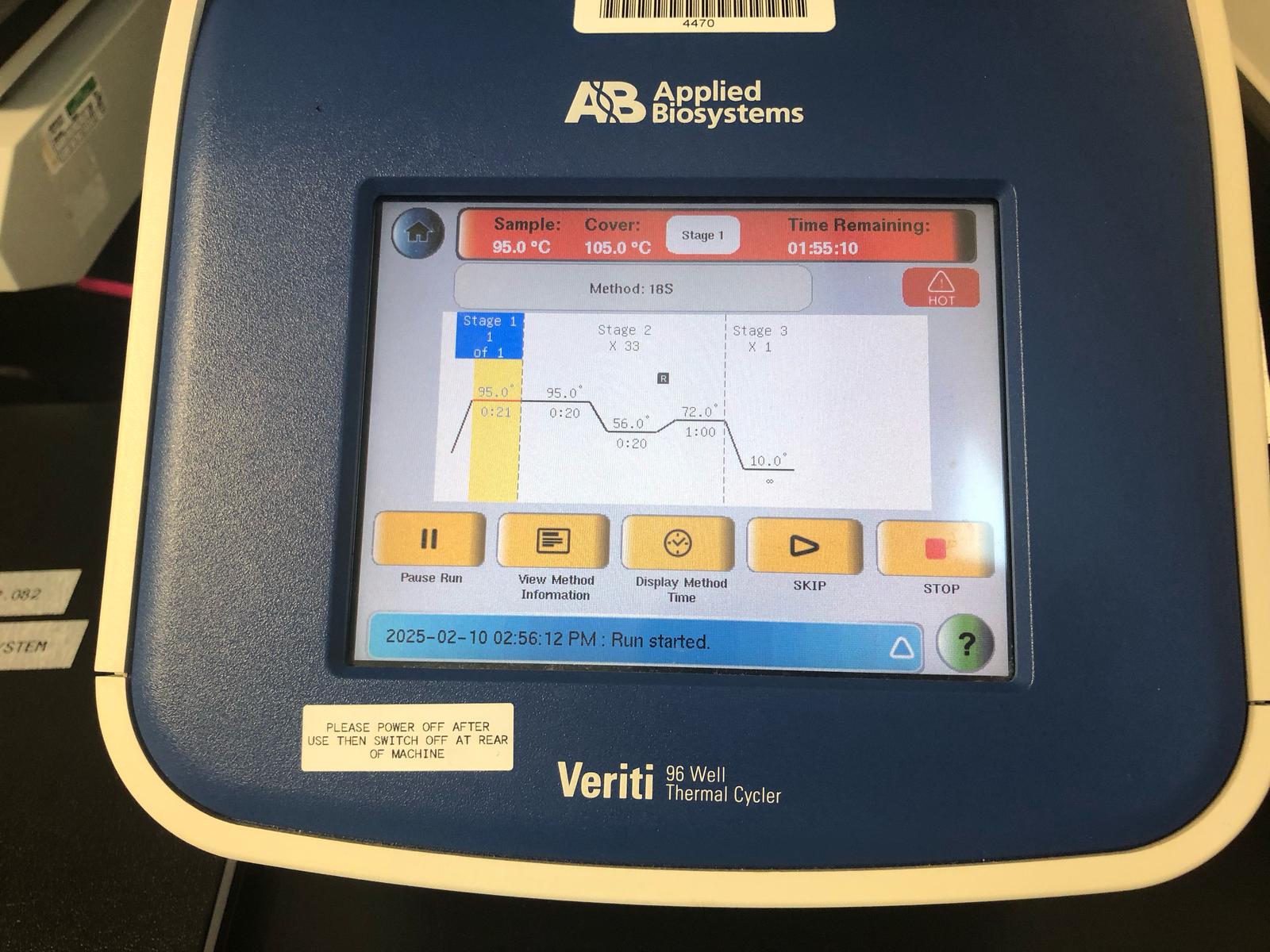
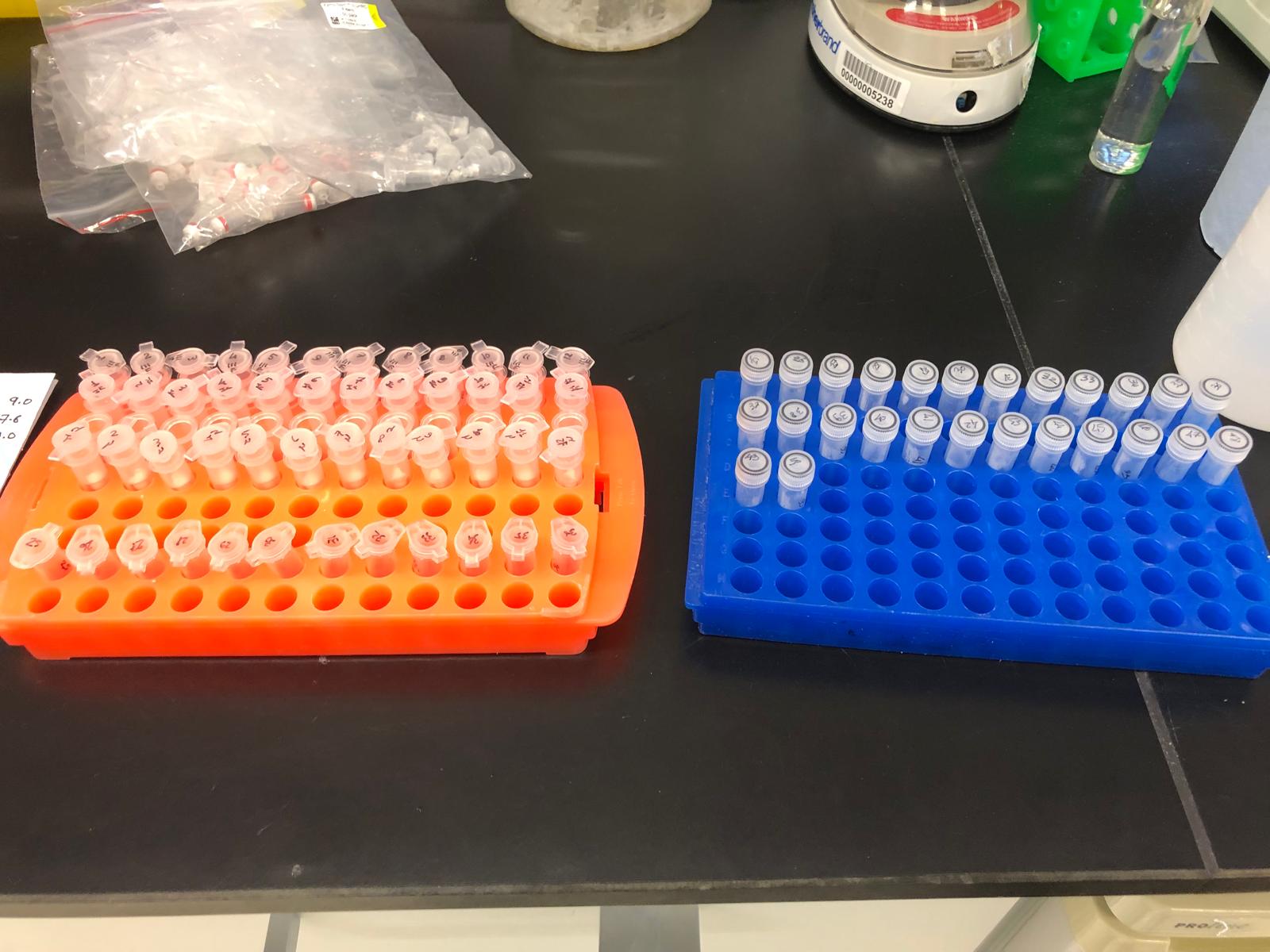
So, how do we go from scats to sequencing? This is what I asked Silvia when visiting her last February. Her answer: 14 steps to ensure enough DNA is present for sequencing. In summary, you start by extracting the DNA from your samples, add primers to target specific regions on the DNA of interest and amplify the latter using PCRs to get enough DNA for the sequencing. As when you are baking you need to check the cooking time, whenever you amplify, you will run a gel to ensure the PCR worked properly. This accounted for 6 of the 14 steps. As for the Covid PCR, you need enough material to be detected. And instead of being positive, the sequencing done here will help us match identified fragments of DNA from the scats to DNA sequences from GeneBank, a worldwide databank regularly updated and corrected. And this is how we will have gone from scats collected on the beach to a delightful menu for each individual.
Another crucial piece of information is to understand where the logger duck is situated in the food web using stable isotope analysis (SIA). This method relies on stable isotopic ratios, here δ34S, δ15N and δ13C. These ratios will vary depending on the food source (δ13C and δ34S) or the trophic level (δ15N). If you spent a month eating only rice, your δ13C would be the same as the rice’s but not your δ15N as you are not a plant. Instead, δ15N will vary based on your trophic level, and thus it will approach the δ15N of a herbivore. Finally, δ34S is used here as an alternative way to look at the diversity of food sources, as δ13C sometimes fails to discriminate finely enough between food sources.
Two tissue types were collected from 41 individuals during two breeding seasons: feathers and blood. Blood samples were centrifuged to separate red cells and plasma and then frozen. Feathers were stored in plastic bags, until further analysis. Why two and not more or less? Because we want to look at different temporalities. Feathers are inert tissues. Once formed, they are no longer modified by the metabolism. We believe that steamer ducks moult after the breeding season. This is commonly seen in other duck species. Therefore, the feathers collected during the breeding season are like a time capsule of what they ate during the previous breeding season. On the other hand, blood is a tissue which is regularly renewed. Plasma has been showed to provide diet isotopic ratios from the last 10 days versus the last 28 days for red cells.
To sum it all up, 51 samples of scat were analysed as a snapshot of what each of these individuals ate. 41 ducks got feathers and blood sampled to see where in the food web they were and if it changed over time or not. And what for? Because knowing better a species means protecting it better. Yes, the logger ducks are (mostly) everywhere on the Falkland coastline. However, they might rely on specific food items which could be impacted by environmental disturbance or human activity. The coastal food web has been described as wasp-waist, where any changes in the supporting species will induce the diminution of the rest of the food web. Any changes will either increase or reduce the number of ducks. Conversely, any observed change in the number of ducks can alert to a potential shift of the prey community!